Dropped Off Along the Turnpike: Liliana and Daniela Moreno
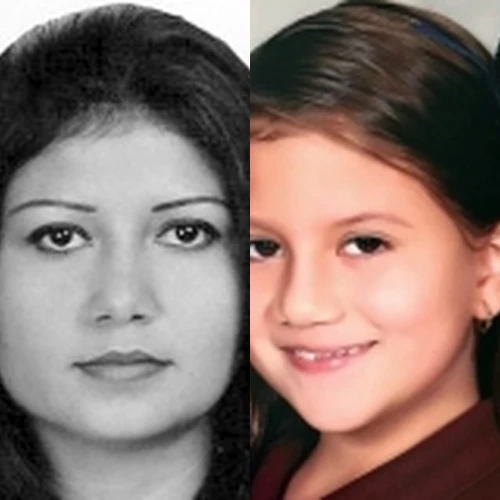
Liliana Stella Moreno was born December 24, 1973, in Colombia, where she went on to earn degrees in architecture and design from Universidad del Valle in Cali before eventually building a life for herself in South Florida. By the time she reached her early forties, Liliana had established herself professionally as a contractor and project manager with D&L Construction Group, a career that put her design training to practical use and gave her a stable footing in the Doral area, where she lived with her young daughter, Daniela. Daniela, born October 4, 2007, went by the nickname Dany among family and was, at eight years old, a student at John I. Smith K-8 Center, a bright eyed little girl with brown hair and brown eyes who wore her hair pulled back with the kind of headbands and clips typical of any elementary schooler. Neither Liliana nor Daniela has been seen since May 30, 2016.
A Complicated Origin
Daniela's father was a man named Gustavo Alfonso Castaño, sometimes recorded in later court filings as Castaño Restrepo, who had fathered the child with Liliana while he was married to another woman entirely. According to court documents that would only become public many years later, Castaño deliberately hid the fact that he was Daniela's biological father from his own wife and the rest of his family, keeping his relationship with Liliana and his daughter's existence compartmentalized away from his primary domestic life. Liliana's own relatives would later describe her relationship with Castaño as stormy, marked by ongoing tension and, according to family accounts, threats that Castaño had made toward her over the years. It was against that backdrop of a secret, difficult relationship that the final days of May 2016 played out.
Food Left on the Stove
On May 30, 2016, Liliana and Daniela were last seen near a Home Depot located on Okeechobee Road in Hialeah Gardens. Neither of them was heard from again after that day. It was Liliana's sister, Yamileth Moreno Ramirez, who first realized something was seriously wrong when she found she could not reach either of them and discovered that Daniela had not attended school for nearly a week, an absence that should have triggered far earlier alarm at a K-8 campus but had somehow gone unaddressed until Yamileth herself noticed the gap. She reported them missing on May 31.
When investigators went to check the Morenos' apartment in Doral, what they found inside only deepened the sense that something had gone badly wrong. The apartment door was locked. Liliana's Toyota Corolla sat parked outside exactly where it should have been if she had simply been home. Inside, her purse, wallet, passport, driver's license, and credit cards were all still there, untouched, along with food that had been left sitting out on the stove, the unmistakable signature of a domestic routine interrupted mid motion rather than a planned departure. Investigators were direct about what that evidence suggested. They did not believe Liliana would have voluntarily left behind her purse, her identification, and her credit cards under any circumstances, a conclusion that pointed toward foul play almost immediately rather than a simple case of a mother and daughter choosing to disappear on their own.
A Search of the Swamp
In June 2016, weeks after Liliana and Daniela vanished, authorities organized an extensive search effort involving cadaver dogs and dozens of volunteers, combing through swampy brush near the family's Doral home and a nearby lake in hopes of locating some physical trace of either of them. That search turned up nothing. No remains, no clothing, no evidence of any kind connecting the swampland to whatever had actually happened to Liliana and Daniela after they were last seen near that Home Depot.
A Self Inflicted Wound in a Parking Lot
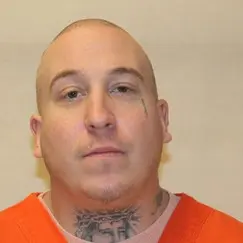
Gustavo Castaño quickly became the central person of interest in the disappearance, both because of his complicated relationship with Liliana and because he was reportedly the last person known to have been with them. His own explanation was that he had gotten into an argument with Liliana and Daniela and had kicked them both out of his vehicle along the Florida Turnpike near Okeechobee Road, leaving them stranded rather than harmed. Shortly after the disappearance was reported and investigators began pursuing him as a suspect, Castaño stabbed himself in a parking lot in Hialeah Gardens. Police who responded ultimately tased him during the encounter, and Castaño lost an eye as a result of that confrontation. He was hospitalized, and detectives questioned him extensively about Liliana and Daniela's whereabouts, but at that stage in 2016 no charges were filed against him, leaving investigators with a prime suspect they could not yet formally accuse of anything.
Years of Uncertainty for a Family Left Waiting
For years afterward, Liliana's family lived suspended between grief and hope, unable to fully accept that Liliana and Daniela were gone while having no concrete evidence to support any other possibility. Eduardo Moreno, Liliana's brother, relocated to South Florida specifically to continue searching for his sister and niece, telling reporters years into the case that he still believed she might be alive, saying plainly that he wanted to hug his niece and his sister again. He spoke about the particular cruelty of uncertainty itself, the way not knowing, rather than even a confirmed tragedy, became its own daily burden for a family with no remains to bury and no clear answer to hold onto. The FBI eventually became involved in the case as well, offering a reward of up to twenty five thousand dollars for information that might lead to locating Liliana and Daniela, a sign of how seriously the case continued to be treated even as it stretched from months into years without resolution.
A Warehouse Searched Without Charges
At some point in the investigation, detectives collected evidence from a warehouse that Castaño had used, gathering material from the site in the days after Liliana and Daniela disappeared. That search did not immediately produce charges against him, and for the better part of a decade the case remained technically open but practically stalled, a familiar pattern in cases where investigators have a strong working theory about who is responsible without yet having assembled enough to bring formal charges that could survive in court.
Eight Years Later, an Arrest
That changed in the fall of 2024. On October 29, 2024, Gustavo Castaño Restrepo, then fifty five years old, was formally charged with two counts of kidnapping resulting in death, one for Liliana and one for Daniela. The federal charges alleged that he had abducted both of them on May 30, 2016, and that his actions had ultimately resulted in both of their deaths, a legal conclusion that treated the case as a double homicide even though neither victim's remains have ever actually been recovered. If convicted, Castaño faces a mandatory minimum sentence of life in prison, with the possibility of the death penalty also on the table given the federal nature of the charges. A pretrial detention hearing was scheduled for November 1, 2024, in Miami, formally launching the legal process that Liliana's family had waited eight years to see begin.
A Case Built on What Was Left Behind
What makes the Moreno case particularly striking, even among the broader universe of long delayed prosecutions, is how much of the eventual case against Castaño appears to rest on the same physical details investigators noticed within days of the disappearance itself, the locked apartment, the untouched identification and credit cards, the food left out mid preparation, the warehouse evidence collected almost immediately afterward, and Castaño's own self inflicted injury in a parking lot as police closed in to question him. None of those details on their own constituted proof sufficient to charge him back in 2016, yet collectively they appear to have formed the backbone of the federal case prosecutors were eventually able to bring eight years later, once investigators had the time, resources, and additional evidence needed to formally connect all of it into a chargeable case.
Still Searching for Liliana and Daniela Themselves
Even with Castaño now facing federal charges carrying a mandatory life sentence, Liliana and Daniela's actual remains have never been found, not in the swampland searched in the weeks after they vanished, not in the warehouse investigators later searched, not anywhere else that has been publicly disclosed. The twenty five thousand dollar reward the FBI established specifically for information leading to their recovery remains active, a recognition that a criminal conviction, however significant, cannot substitute for actually locating a mother and daughter who disappeared from an ordinary afternoon near a Home Depot and were never seen again. For Eduardo Moreno and the rest of the family who spent eight years waiting for any kind of legal accountability, the charges filed against Castaño in October 2024 represent real progress toward justice, even as the underlying question of where Liliana and Daniela actually are remains entirely unanswered.
Sources
- The Charley Project: Liliana Stella Moreno
- The Charley Project: Daniela Moreno
- FBI: LILIANA AND DANIELLA MORENO
- NBC Miami: 'Uncertainty Everyday': Brother Seeks Answers in 2016 Disappearance of Sister, Niece
- WSVN: Miami man charged with kidnapping, deaths of missing Doral mother and daughter
- ABC7 Chicago: Florida man Gustavo Alfonso Castano Restrepo arrested in 2016 disappearance of Liliana Moreno and her daughter Daniella
- AOL: Married Florida man arrested 8 years after his love child, ex-mistress vanished