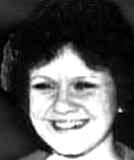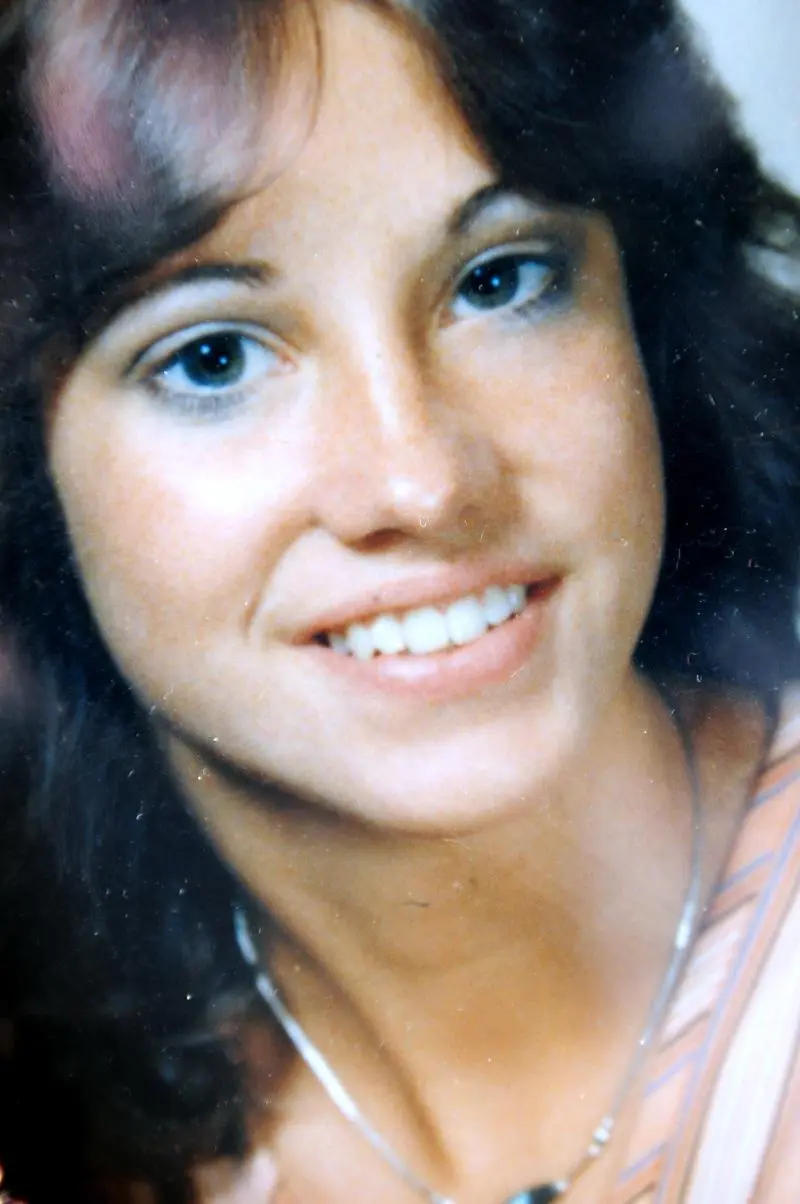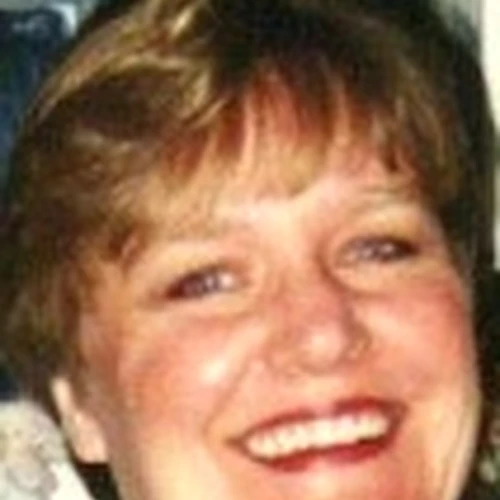
He's Looking Over My Shoulder: Toni Ann Bachman
Toni Ann Bachman, born Reineccius, was thirty eight years old, working in the human resources department at Hamline University and living in White Bear Lake Township, Minnesota, with her husband of ten years, Norman Allen Bachman Jr., and his three sons from an earlier marriage, ranging in age from ten to thirteen. By the spring of 1997, Toni's own marriage had deteriorated considerably. She had accused Norman of choking her back in 1987, and by 1997 she was actively pursuing a divorce while also developing a long distance relationship with someone else that she had met online, a detail that would later become part of the backdrop investigators used to understand the tension inside the household in the days before she disappeared.
A Message Cut Short
On April 25, 1997, Toni sent a series of messages to friends over the internet describing her husband as threatening her at that very moment. Her final message told them that Norman was standing over her shoulder, watching her type, and that she had to go. Nobody heard from her again. When friends and family eventually pressed Norman about her whereabouts, he offered an account describing a fight between the two of them after which Toni had locked herself in their bedroom, telling investigators he simply did not see her again for the rest of that weekend, and that by the time he returned home from a trip to the store on Sunday, she had vanished from the house entirely.
His own sons offered police a different and considerably more troubling version of that same weekend. When investigators interviewed the boys, they said they recalled hearing their father and stepmother arguing on Friday, April 27, and that they had not actually seen Toni leave her bedroom at any point across Saturday or Sunday. More disturbingly, at least one of the boys told investigators he had heard her scream at some point during that period, a detail that directly undercut Norman's account of an ordinary domestic argument followed by his wife simply choosing to leave on her own.
Evidence Found Within Months, Charges Filed Eighteen Years Later
Investigators searched the Bachman home in 1997, not long after Toni was reported missing, and the results of that search were genuinely alarming. They found a bloody sheet hidden between the mattress and the bedframe in the bedroom, along with bloodstains, human tissue, and human fat recovered from the family's basement freezer. DNA testing eventually confirmed, by September 1997, that the biological material recovered from the freezer belonged to Toni herself.
Despite that physical evidence, prosecutors at the time concluded they did not have enough to bring charges against Norman. They had no body beyond the fragmentary tissue recovered from the freezer, no confirmed murder weapon, and no direct witness to whatever had actually happened inside that bedroom. The case, remarkably, sat in that unresolved state for eighteen years, a set of forensic findings serious enough to leave almost no reasonable doubt that Toni had died violently inside her own home, yet not quite sufficient, under the legal standards prosecutors were working with at the time, to actually charge the one person who had been in the house with her that entire weekend.
Better Technology, and Sons Willing to Talk
The case finally moved forward in April 2015, when Norman Bachman was arrested and formally charged with second degree murder and first degree manslaughter in connection with Toni's death. Advances in forensic technology over the intervening years allowed investigators to more definitively connect the bone fragments recovered back in 1997 to Toni specifically, strengthening a case that had been sitting, technically open, for nearly two decades. Equally significant was a willingness among Norman's now adult sons to speak more fully with investigators about what they remembered from that April weekend in 1997, testimony that added human corroboration to physical evidence that had, on its own, never quite closed the gap prosecutors needed eighteen years earlier.
A Confession Delivered Without Emotion
In October 2015, Norman Bachman took the witness stand and confessed to killing Toni, describing the events in what observers in the courtroom described as a matter of fact tone. He said the two of them had scuffled, and that he had wrapped both hands around her neck and squeezed until she died. He described dragging her body into what he called a cold room in the basement of their home, and said that days later, he used a filet knife and a hand saw to decapitate her and remove her body parts, disposing of her remains afterward at a location he described to investigators as remote. Despite that detailed account and at least five separate authorized searches of the location Norman identified, Toni's actual remains have never been recovered.
A Plea That Dropped the More Serious Charge
Rather than proceed to a full trial, Norman Bachman entered a plea agreement in which the second degree murder charge against him was dropped in exchange for his guilty plea to first degree manslaughter. He was sentenced to a term of just over thirteen and a half years in prison, a resolution that closed the criminal case against him nearly two decades after Toni first vanished, even as it left the specific location of her remains formally unresolved despite his own detailed confession about how and where he claimed to have disposed of them.
Children Who Carried the Weight of What They Heard
The role Norman's three sons eventually played in bringing the case to resolution carries its own quiet weight. These were children who, at ten to thirteen years old, had lived through the actual weekend their stepmother disappeared, heard the argument, heard the scream, and noticed she never emerged from her bedroom, all while their own father offered investigators a version of events that conveniently left those specific details out. Whatever combination of fear, loyalty, and simple childhood uncertainty kept them from fully corroborating what they had witnessed in 1997, those same three boys grew into adults still carrying that memory, and it was ultimately their willingness, nearly two decades later, to describe what they actually recalled that helped convert a freezer full of forensic evidence into an actual conviction. Their delayed testimony reflects something common to many long dormant domestic homicide cases, that the most direct witnesses to a family's private violence are often the family members with the least power to speak up about it at the time, and sometimes the most time is what it takes before they finally can.
Still Missing, Case Still Technically Open
More than a quarter century after Toni Ann Bachman sent her last message describing her husband watching over her shoulder as she typed, her body has never been found, and the location where Norman Bachman says he left her remains has never yielded anything despite repeated, authorized searches. What the case ultimately produced was a conviction built not around recovered remains but around a combination of decades old physical evidence, updated forensic science, and family members finally willing to describe what they had actually witnessed as children, a combination that took eighteen years to fully assemble even though the freezer in that basement had told investigators most of what they needed to know from almost the very beginning.
Sources
- The Charley Project: Toni Ann Bachman
- Star Tribune: Norman Bachman sentenced to 13 years for death, dismemberment of wife nearly 20 years ago
- Bring Me The News: 18 years later, Norman Bachman admits strangling, dismembering his wife
- CBS Minnesota: Man Pleads Guilty To Manslaughter In Wife's 1997 Disappearance