Chained Behind a Boarded Window: The Disappearance of Kaya Marie Centeno
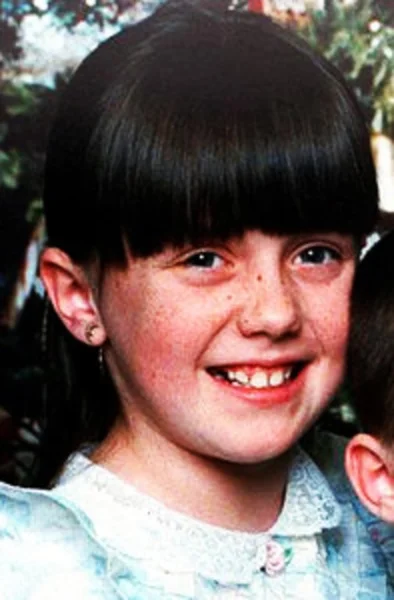
Kaya Marie Centeno was eight years old in the summer of 2010, living in Rohnert Park, California, with her adoptive parents, Gina Michelle Centeno and Jose Anthony Centeno, and two younger siblings the couple had also adopted. She stood three foot six and weighed fifty pounds, with brown hair and brown eyes. The Centenos had adopted Kaya and her two younger siblings, all still toddlers at the time, back in 2006, and by 2010 Kaya was attending John Reed Elementary School in Rohnert Park. During what would have been her second grade year, she was withdrawn from school and placed into homeschooling instead, a decision made shortly after school staff had reported suspected signs of abuse.
Sometime between mid-2010 and mid-2012, Kaya vanished. Nobody outside her household reported it. Nobody outside her household even knew.
Ten Years in a Boarded Room
What was actually happening inside the Centeno home during those years came to light only in July 2020, when Child Protective Services contacted the Rohnert Park Department of Public Safety after two of Kaya's younger siblings, by then a seventeen year old girl and a fifteen year old boy, were taken into protective custody in Mexico. Jose Centeno had brought them across the border sometime between 2018 and 2019, and while there, the two teenagers encountered a United States citizen who authorities believe ultimately alerted officials to what the children disclosed: years of sustained physical, sexual, and emotional abuse stretching back roughly eight to ten years.
According to what investigators and prosecutors later established, after the 2010 school report of suspected abuse, rather than addressing whatever concerns had been raised, Gina and Jose Centeno instead pulled all three children further out of public view. The children were kept locked in an upstairs bedroom with the window boarded up, chained to their beds, and subjected to sustained torture that included beatings for behavior as mundane as not eating quickly enough or sleeping in a position their adoptive parents found objectionable. At various points, the children were forced to run barefoot across the backyard until their feet bled, and were kept severely underfed throughout the extended period of their confinement. Extended family members who asked about the children over the years were reportedly told they had simply been sent away, an explanation that kept anyone outside the household from ever suspecting the children remained locked upstairs the entire time.
Kaya Loses Consciousness
At some point during this sustained abuse, Kaya lost consciousness. According to accounts her younger siblings later gave investigators, they were told after that incident that Kaya had been sent away, the same explanation used on curious relatives, and neither sibling ever saw or heard from her again. Investigators believe she most likely died as a result of that incident or shortly afterward, sometime around 2012, when she would have been approximately ten years old, though without her remains ever being recovered, no official determination of exactly what happened to her, or when, has ever been possible.
Throughout the entire period the children were locked away, Gina and Jose Centeno continued collecting monthly adoption assistance payments from the State of California for all three children, submitting false information indicating the children remained safely in their care and attending school as expected, income the couple kept receiving for a decade even as one of the children they were being paid to care for had already died and the other two remained imprisoned in their own bedroom.
A Trial and a Death in Custody
Once the surviving siblings' disclosures reached investigators in 2020, authorities obtained warrants and arrested both Gina and Jose Centeno. Gina Centeno died in custody in January 2024, before her case ever went to trial, reportedly from leukemia, meaning she was never formally tried or convicted for her role in what happened to the children, including Kaya.
Jose Centeno's case did go to trial, and in July 2024 a jury found him guilty of three counts of kidnapping for financial gain, three counts of torture, and nine separate counts involving the sexual abuse of a child. In August 2024, he was sentenced to six consecutive life sentences without the possibility of parole, along with three additional life sentences and a further thirty nine years in prison, among the most severe sentences California courts have handed down in a case of this kind. Sonoma County District Attorney Carla Rodriguez addressed Kaya directly in a statement following the sentencing, saying that the case's two surviving victims were still missing their sister Kaya, and that although justice had been served in every way the courtroom could deliver it, Kaya herself would always remain in the thoughts of everyone who worked the case.
A Search That Continues
More than a decade after she is believed to have died, Kaya Marie Centeno has never been found. Her case remains formally classified as an unsolved missing persons matter with the Rohnert Park Police Department, even though the two adults responsible for the conditions she died under have both, in their own ways, already faced the full consequences the justice system could bring against them, one through conviction and six consecutive life sentences, the other through death in custody before trial. Kaya's two younger siblings survived the same imprisonment that killed their sister, carrying with them years of documented torture and abuse, along with the singular, unresolved grief of not knowing where their sister's remains actually are, only that she was there with them until she suddenly, permanently, was not.
Kaya would be about twenty two years old today had she survived. Investigators continue to search for any information that might lead to the location of her remains, hoping to give her two surviving siblings, and the broader community that failed to notice her absence for the better part of a decade, some final answer to where she has been all this time.
What makes Kaya's case so difficult to fully process is how completely the systems meant to catch exactly this kind of danger failed her, repeatedly, over a decade. A school reported suspected abuse in 2010, the earliest possible warning sign, and the response was not intervention but concealment, pulling all three children further away from anyone who might have noticed. The state continued mailing adoption assistance checks for a child who, by the time those checks stopped a decade later, had already been gone for years, with no caseworker, no home visit, and no periodic check-in catching the fact that one of three children the state was paying to support no longer existed in any way anyone outside that bedroom could verify. It took the accident of two surviving siblings being taken across an international border, and a stranger they happened to meet there, to finally unravel a decade of concealment that no domestic system ever managed to catch on its own.
Kaya's two younger siblings, now adults themselves, have had to carry both the trauma of their own captivity and the singular, unresolved grief of having watched their older sister disappear from the only life they knew, told simply that she had been sent away, the same lie used on every adult who ever asked. Whatever justice Jose Centeno's conviction and sentencing represented, it could not undo the years those two children spent locked in that room after Kaya was gone, nor can it tell them, or investigators, where their sister actually is.
Anyone with information about Kaya Marie Centeno's case is asked to contact the Rohnert Park Police Department at 707-584-2600.
Sources
- The Charley Project: Kaya Marie Centeno
- Sonoma County District Attorney's Office: Rohnert Park Man Sentenced to Life Without the Possibility of Parole for Torture, Kidnap for Financial Gain, and Sexual Abuse of a Child
- Local News Matters: Rohnert Park man sentenced to life for abusing adopted children, one child still missing
- The Press Democrat: 'Indescribably cruel', Rohnert Park man gets 6 life sentences for abusing his 3 foster children
- KRON4: Rohnert Park couple kept adopted children locked in bedroom, chained to bed, DA
- CBS News San Francisco: Rohnert Park man who terrorized adopted children gets multiple life sentences