A Letter Not to Be Opened: The Murder of Gloria Korzon
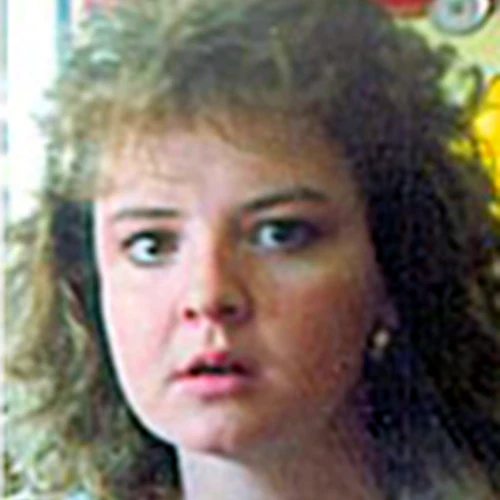
Gloria Suzanne Korzon was 37 years old when she disappeared from Warrington, Pennsylvania, sometime between March 6 and March 9, 1981, last seen leaving her job at an electronics plant in nearby Horsham. She left behind her car, her dog, her driver's license, her credit cards, and thousands of dollars still sitting untouched in her bank account, the kind of complete abandonment of an ordinary life that made clear from the beginning she had not simply walked away on her own. It would take nearly four decades, a reopened grand jury investigation, and the account of a former tenant describing an entirely separate plot to kill the detective working her case before Gloria's husband finally admitted what he had actually done to her.
A Marriage Marked by Repeated Violence
Gloria's marriage to William Walter Korzon had been troubled for years by the time she disappeared. Court records later described a relationship marked by repeated domestic assaults serious enough that both spouses were, at various points, hospitalized as a result. Police responded to at least eight separate domestic violence incidents at the Korzon home between 1976 and 1980, and Gloria sought formal protection orders against William in both 1978 and 1980, alleging he had threatened her and beaten her severely enough on occasion to break bones. Each time, however, Gloria ultimately withdrew her complaints before the matters ever proceeded to court, a pattern common in relationships marked by this kind of sustained abuse, where fear and dependency can make following through on legal protection genuinely dangerous in its own right.
A Letter Meant to Be Opened Only If Something Happened
About a month before she vanished, Gloria gave her stepfather a sealed, three page letter, instructing him specifically not to open it unless something happened to her. After Gloria disappeared, her stepfather finally opened that letter, discovering inside a detailed account of assaults she said she had suffered at William's hands, a document that functioned almost as a message from beyond her own disappearance, anticipating the very outcome that would eventually come to pass.
A Disappearance With No Explanation
When Gloria failed to return home and failed to make contact with anyone in her life, her brother eventually reported her missing in July 1981, months after she had actually vanished. In the aftermath, a Mother's Day card arrived bearing Gloria's name, though the signature on it had clearly been forged, one of several documents William would later admit to falsifying in an effort to suggest Gloria remained alive and simply estranged from her family, rather than already dead.
A Case That Sat Cold for Decades
Despite the deeply suspicious circumstances surrounding Gloria's disappearance, including William's own shifting and inconsistent accounts of her whereabouts, the case remained formally unresolved for years. Gloria was eventually declared legally dead in 1997, sixteen years after she vanished, without any charges ever having been filed against her husband. It was not until 2017 that Bucks County District Attorney Matthew Weintraub made the decision to formally reopen the investigation, convening an investigative grand jury to take a fresh look at evidence and testimony that had sat largely dormant for decades.
A Plot to Kill the Investigating Detective
One of the most startling revelations to emerge from this renewed investigation involved an entirely separate alleged crime connected to the original case. A former tenant of the Korzon home, a man named Samuel Culp, came forward to tell investigators that William had approached him back in 1981, asking for help ambushing and killing a Warrington Township police sergeant who was actively investigating Gloria's disappearance at the time. Culp's account of this solicitation eventually became part of the grand jury proceedings that helped build the broader case against William decades later, and William was ultimately charged not only in connection with Gloria's death but with criminal solicitation to commit homicide connected to this alleged plot against the investigating officer.
Charges Finally Filed
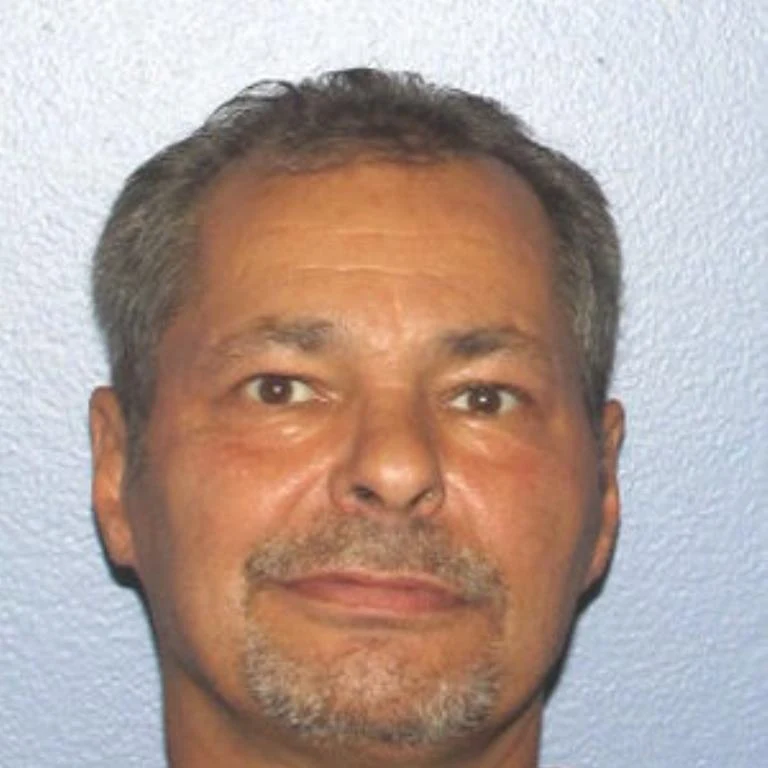
In April 2019, William Korzon was formally arrested and charged with criminal homicide, forgery, and perjury in connection with Gloria's death, alongside the separate solicitation charge tied to the alleged plot against the detective. The arrest came almost exactly 38 years after Gloria had last been seen leaving her job at the Horsham electronics plant.
A Confession, At Last
In December 2019, William Korzon pleaded guilty to voluntary manslaughter, forgery, and perjury, finally providing investigators and Gloria's family with his actual account of what had happened that March in 1981. According to his statement, he and Gloria had been arguing at their Packertown Road home when Gloria retrieved his 9mm Sig Sauer handgun and fired it at him. William said he wrestled the weapon away from her during the ensuing struggle and then shot her, an account he characterized as self defense even as he pleaded guilty to manslaughter rather than pursuing any formal self defense claim at trial. After the shooting, William said he placed Gloria's body inside a plastic trash can and kept it inside the house overnight. The following morning, he loaded the trash can onto his boat, towed the boat to a concrete launch just north of Lambertville, New Jersey, traveled some distance upriver, and dumped Gloria's body into the Delaware River, where it has never been recovered.
Decades of Profiting Off Her Death
Beyond the killing itself, prosecutors emphasized that William had spent the better part of four decades actively covering up what he had done, forging Gloria's signature on checks, promissory notes, and other financial documents in order to continue accessing her money long after her death, conduct prosecutors specifically characterized as profiting directly off his own wife's murder. This ongoing fraud, sustained across nearly forty years, became a central part of the forgery and perjury charges he ultimately pleaded guilty to alongside the manslaughter count itself.
Sentencing
William Korzon, by then 76 years old, was sentenced by Judge Raymond F. McHugh to seven and a half to fifteen years in prison, covering both the killing itself and the decades of forgery connected to his ongoing identity fraud against his own deceased wife.
Still Unrecovered
Gloria Suzanne Korzon's remains have never been found, lost somewhere along the stretch of the Delaware River where her husband disposed of them the morning after he killed her. Her case stands as a stark example of how long a determined cover up, built on forged documents and shifting explanations, can delay justice, and of how close that same cover up came to claiming a second victim entirely, in the form of the detective William Korzon allegedly tried to have killed simply for continuing to investigate what had happened to his wife.
Sources
- The Charley Project: Gloria Suzanne Korzon
- The Philadelphia Inquirer: After nearly four decades, a cold-case murder in Bucks County ends in a guilty plea
- The Philadelphia Inquirer: Unsealed Bucks court records reveal how decades of lies unraveled into cold-case murder arrest
- Bucks County District Attorney's Office: Man Pleads Guilty in 1981 Warrington Cold Case Killing
- Bucks County District Attorney's Office: Man Charged with Homicide in Wife's 1981 Disappearance
- NBC10 Philadelphia: Cold Case Solved, Husband Admits to Killing Wife Nearly 40 Years Ago
- Law & Crime: William Korzon Killed His Wife Gloria, Cops Say
- The Seattle Times: Man charged with killing wife last seen 4 decades ago