The Woman Who Kept Collecting the Checks: Brittany Renee Williams
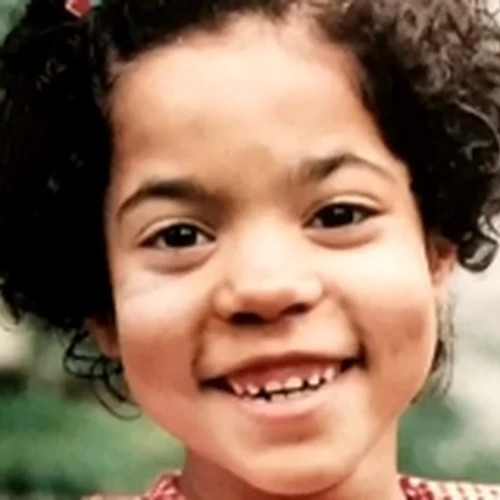
Brittany Renee Williams was born March 20, 1993, in Henrico County, Virginia, carrying HIV she had contracted from her mother, Rose Marie Thompson, who had received her own AIDS diagnosis three months before Brittany's birth. Rose Marie died in 1996, when Brittany was only three years old, and guardianship of the child passed to Kim E. Parker, a woman Rose Marie had connected with through Rainbow Kids Inc., a charity Parker had founded specifically to provide long term care for children living with HIV, AIDS, and other serious medical conditions. For a child in Brittany's circumstances, orphaned young and dependent on consistent medical treatment simply to survive, placement with an organization built around exactly that kind of care should have represented one of the better outcomes available to her.
A Disappearance Nobody Reported for Years
On August 18, 2000, seven year old Brittany disappeared. She was small for her age, just three feet eight inches tall and sixty five pounds, with a port-a-cath surgically placed in her upper chest to help administer the ongoing treatment her condition required, a detail that made her continued absence from any medical setting all the more alarming to anyone who eventually learned the full picture. When school officials and child protective services eventually asked Kim Parker directly where Brittany was, Parker initially claimed she did not know. She later changed her account, telling investigators the child had actually been sent to live with two women in California, identified as Linda Hodges and Kathie Evans, in an arrangement she said involved payments totaling roughly eight thousand dollars to take Brittany into their care.
Investigators who looked into that claim found it did not hold up. The two women had never actually taken custody of Brittany at all. According to one official who worked the case, the women had only ever been in the early stages of planning a visit with the child, a trip that, for reasons never fully explained, simply never happened. Brittany was not with them, and had apparently never been with them, leaving investigators with no actual account of where she had gone after Parker's original story fell apart.
Checks That Kept Arriving for a Child Who Wasn't There
What makes Brittany's case particularly disturbing is not simply that a caregiver's story about her whereabouts collapsed under scrutiny, but how long that collapse took to even begin. Kim Parker continued collecting Social Security and Medicaid benefits earmarked for Brittany's ongoing care for roughly two more years after the child had actually vanished, money meant to cover treatment for a medical condition that, without consistent access to medication, would have made survival on her own increasingly unlikely with each passing month. Parker did not stop collecting those benefits until sometime in the summer of 2002, nearly two full years after Brittany disappeared, a gap during which nobody responsible for overseeing Rainbow Kids's charges apparently recognized that one of the children the organization was still being paid to care for had actually been missing the entire time.
Fraud Charges, But Never a Murder Case
Kim Parker's legal troubles eventually caught up with her, though not in connection with Brittany's disappearance directly. In 2003, she was arrested initially on a truancy charge before facing a far more serious set of consequences: a federal indictment on seventy three felony counts connected to fraud and money laundering, tied to roughly twenty four thousand dollars in government benefits she had funneled from her foster children, Brittany included, into her own personal accounts. Parker was jailed at one point specifically for refusing to disclose Brittany's actual location to the court, a contempt citation that produced no useful information despite the pressure it was meant to apply. She ultimately pleaded guilty to mail and wire fraud charges and received an eight year federal sentence, an unusually lengthy term for financial crimes of that kind, along with an additional two year state sentence for medical insurance fraud handed down in December 2003, amounting to a combined plea arrangement that kept her incarcerated for roughly a decade. At no point, however, was Parker ever charged with anything connected directly to causing Brittany's disappearance itself.
A Voice From Indiana, Twenty One Years Later
In October 2021, more than two decades after Brittany vanished, an Indiana woman named Kaylynn Stevenson came forward publicly, saying she had encountered a missing persons flyer for Brittany Williams online and immediately recognized herself in it. Stevenson pursued DNA testing, and the results showed a 95.83 percent probability that she was a half sister to Anastasia McElroy, identified as the first daughter of Brittany's mother, Rose Marie Thompson, a statistical match striking enough to generate genuine national attention and real hope that one of America's more haunting cold cases might finally be resolving after two decades.
Henrico County investigators took the claim seriously enough to mount a thorough follow up investigation, reviewing medical records, adoption records, consulting with infectious disease physicians given Brittany's documented HIV status, and conducting dozens of additional interviews alongside further DNA analysis. In January 2022, after that extensive review, police announced their conclusion: the woman who had come forward was not, in fact, Brittany Renee Williams. The department did not publicly detail every specific piece of evidence that led to that determination, but the announcement effectively closed off what had briefly seemed like the case's most promising break in over twenty years, returning Brittany's file to exactly the same unresolved state it had occupied since 2000.
A Survival That Would Have Required Constant Care
Investigators have continued to note the specific medical reality that shapes how they assess Brittany's likely fate more than anything else connected to her case. A child living with HIV in the year 2000 depended on regular, uninterrupted access to antiretroviral medication simply to survive, let alone to have any hope of a stable long term prognosis. No evidence has ever surfaced indicating Brittany received that kind of consistent medical care anywhere after she vanished, no prescription records, no clinic visits, nothing suggesting she was ever connected to the ongoing treatment her condition required. That absence, more than any specific piece of direct evidence, has led investigators to believe Brittany is very likely no longer alive, even without a recovered body or a confirmed cause of death to formally close her case.
Still Missing
More than two decades after Brittany Renee Williams disappeared from the custody of a charity meant to protect children exactly like her, she has never been found, and the one woman who briefly seemed to offer an answer to what happened to her has been formally ruled out. What remains is a case defined less by any single dramatic piece of evidence than by a slow accumulation of institutional failure, a guardian who kept cashing checks for a child no longer in her care, a system that took two years to notice, and a medical condition that made survival, absent the very care she had been placed with Rainbow Kids specifically to receive, tragically unlikely.
Sources
- The Charley Project: Brittany Renee Williams
- All That's Interesting: Woman Claims She Has DNA Evidence To Prove She Is 7-Year-Old Brittany Renee Williams
- WRIC ABC 8News: Henrico Police, Woman claiming to be missing Henrico girl is not
- 12 On Your Side: Finding Brittany Williams, 7-year-old with AIDS still missing after 19 years
- Science Times: Brittany Renee Williams, Indiana Woman Presents DNA Evidence She's the 7-Year-Old Girl Who Went Missing Over 20 Years Ago