The Smell of Bleach in the Trunk: The Death of Ashley LaShay Jones
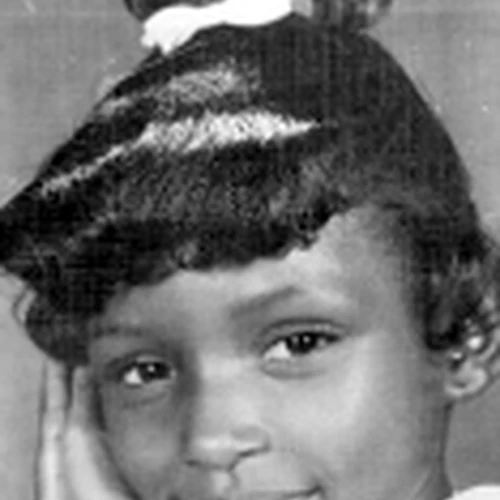
Ashley LaShay Jones was four years old in September 1996, living in Memphis, Tennessee. She was small even for her age, three foot four and forty pounds, with blonde hair, blue eyes, and a strawberry birthmark on the back of her neck. On September 15, 1996, Ashley's aunt, Joyce Wade Lindsey, arrived at the family's home for a visit, reportedly dealing with some personal problems of her own at the time, and the family allowed her to stay with them. The following morning, September 16, Ashley's mother and stepfather left for work and her older half-sister, twelve-year-old Erica Manning, left for school, leaving Ashley home alone with her aunt Joyce for what should have been an ordinary few hours.
Sometime between nine and 9:30 that morning, Ashley's mother called the house to check in, and later said she believed she heard Ashley in the background during that call, a small, easily overlooked detail that would later stand as the last known sign that Ashley was still there. After that call, Ashley was never seen or heard from again.
A Babysitter Who Never Existed
When Erica came home from school that afternoon, she found her aunt Joyce intoxicated. Joyce told her that Ashley had been picked up by a babysitter earlier that day, an explanation that gave Erica no particular reason to be suspicious at first, since she had no way of knowing whether such an arrangement had actually been made. What happened next made far less sense. Rather than staying at the house to wait for the girls' parents to come home, Joyce took Erica out with her, driving while intoxicated, and refused to let the twelve-year-old contact her parents at any point despite Erica's requests. The two of them ended up spending the night away from the house entirely, staying in a hotel rather than returning home.
The following day, September 17, Joyce took Erica to a laundromat, where she washed several bags of clothes that had been sitting in the trunk of her car. Erica later told investigators that even after the wash, the car itself still looked dirty, but that a strong, unmistakable smell of bleach lingered inside the trunk, the kind of overpowering cleaning smell that seemed entirely disproportionate to a simple load of laundry.
Blood in the Trunk
When Ashley's parents returned home and Joyce's story about a babysitter began to unravel under basic questioning, investigators were brought in and quickly focused their attention on Joyce herself. Authorities arrested her on kidnapping charges connected to having taken Erica and refused to let her contact her parents, and the investigation into Ashley's whereabouts intensified rapidly from there. When crime scene technicians examined Joyce's car more closely, despite her apparent effort to clean it thoroughly with bleach, they recovered bloodstains inside the trunk. DNA testing matched that blood to Ashley.
That discovery transformed the case from a suspicious disappearance into an active homicide investigation, and Joyce was charged with murder in addition to the kidnapping charge already filed against her in connection with Erica. Investigators never recovered Ashley's body, despite the physical evidence tying her blood directly to the trunk of her aunt's car, leaving prosecutors to build their case on forensic and circumstantial evidence rather than physical remains.
A Trial and a Denial
Joyce Wade Lindsey's case went to trial, and in 1999 she was convicted on multiple counts, including second degree murder in Ashley's death, aggravated kidnapping in connection with Erica, along with additional forgery and theft charges that arose from the broader investigation into her conduct during that period. She received an effective sentence that has been reported at different points as twenty four years and, in other accounts of the full combined sentence across all her convictions, as high as thirty three years in prison. Joyce appealed her conviction, and that appeal was denied later in 1999, leaving the conviction and sentence intact.
Throughout the legal process, Joyce maintained a version of events that conflicted directly with the blood evidence found in her car, claiming that Ashley had cut her hand on broken glass, an explanation that offered no account of where Ashley herself had actually gone or why her own aunt would have spent the following two days evading her family, driving while intoxicated with a young witness in tow, and scrubbing out a car trunk with bleach if the injury had been as innocent as she described.
A Body Still Missing
More than two decades after Joyce Lindsey's conviction, Ashley LaShay Jones has never been found. Her case remains formally classified as an unresolved missing persons matter even though the person responsible for her death has already been tried, convicted, and sentenced, a legal status that reflects the same unresolved gap seen in other cases where a conviction has been secured without ever locating the victim's remains. Investigators have never publicly identified where Joyce may have disposed of Ashley's body in the roughly twenty four hours between the morning Ashley's mother made that final phone call and the following day, when Joyce and Erica were seen at the laundromat washing bags of clothes and leaving behind a trunk that reeked of bleach.
Ashley would be in her early thirties today had she lived. Her case stands as a stark reminder of how thoroughly a child can vanish even when the person responsible is known, tried, and imprisoned, the physical evidence of blood in a trunk enough to secure a murder conviction but never enough, on its own, to bring a missing four-year-old girl home to the family she was left with for what should have been an ordinary morning.
A Family Member, Not a Stranger
What continues to set Ashley's case apart from many other unsolved child disappearances is the fact that no stranger was ever part of the story at all. There was no unidentified man in a car, no suspicious knock at the door, no mysterious figure investigators spent years trying to track down. The person responsible for Ashley's disappearance was, by the account eventually proven in court, a family member who had been welcomed into the home specifically because she was going through a difficult period in her own life and needed somewhere to stay. That fact has made the case especially painful for people who have followed it over the years, a reminder that the greatest danger to a child is sometimes not a stranger at all but someone already trusted enough to be left alone with them for a single ordinary morning.
Erica Manning, only twelve years old herself at the time, ended up serving as the case's key firsthand witness, describing the two frightening days she spent essentially held captive by her intoxicated aunt, unable to reach her own parents while Joyce drove her from a hotel stay to a laundromat and back, all while the truth of what had happened to her little sister sat concealed inside the trunk of the car they were riding in together. That Erica was eventually able to provide investigators with the timeline and details that helped tie Joyce to the crime, despite her own fear and confusion during those two days, played a significant role in building the case that ultimately led to Joyce's conviction.
Nearly three decades later, Ashley LaShay Jones's photograph still circulates through missing persons databases and cold case listings, a permanent reminder of a search that, despite a conviction, has never actually concluded. Her family has never had a grave to visit, never had a final answer about where those bags of freshly bleached laundry led, and never gotten back the one thing a courtroom verdict was never able to provide.
Anyone with information about Ashley LaShay Jones's case is asked to contact the Shelby County Sheriff's Office at 901-576-5600.
Sources
- The Charley Project: Ashley LaShay Jones
- Tennessee Court of Criminal Appeals: Joyce M. Lindsey v. State of Tennessee
- NamUs: Missing Person MP2843
- International Missing Persons Wiki: Ashley Jones