Three Blocks He Never Finished: Robert Marcos Romero
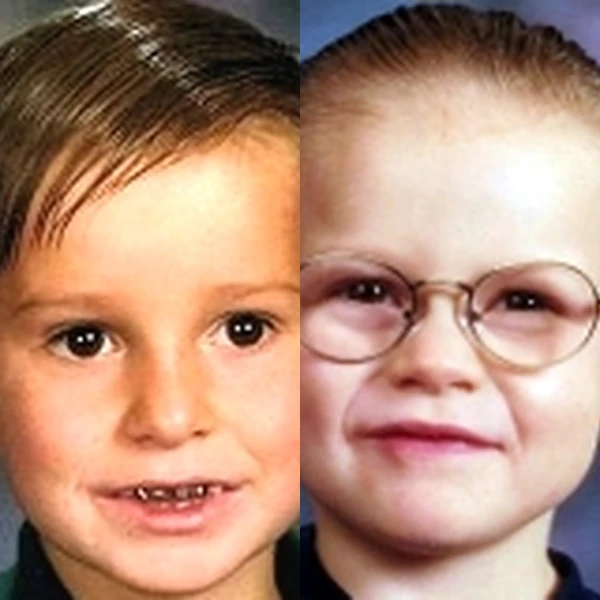
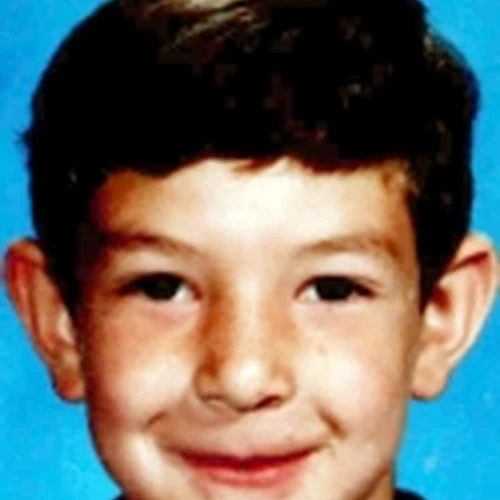
Robert Marcos Romero, known to nearly everyone as Robbie, was born April 10, 1993, and was seven years old in June 2000, living in Santa Fe, New Mexico, with his mother, Evelyn Romero, and his much older brother, Ronnie, then twenty two. Robbie had gotten a fresh buzz haircut just one week before the evening that would become the last anyone ever saw of him, a small, ordinary detail that nonetheless became part of the physical description investigators circulated afterward. On June 7, 2000, around 7 p.m., Robbie set out on foot from his family's home, heading to a friend's house in the 2900 block of Bellemah Drive, a walk of only about three blocks. He never arrived, and he has never been seen again since.
A Short Walk That Never Ended
Robbie was last seen wearing blue jeans, a white t shirt, and black and white tennis shoes, an entirely unremarkable outfit for a seven year old heading out on a short early evening walk to see a friend during summer break. The distance involved, just three blocks, was short enough that his disappearance immediately struck investigators as unusual rather than the kind of case where a child might have simply wandered off and gotten lost over a longer, more complicated route. Investigators came to believe that whoever was responsible for what happened to Robbie either knew him personally or was at least known to him in some capacity, a conclusion drawn from how quickly and quietly he seems to have vanished along such a brief, familiar stretch of neighborhood streets. Police did seek out an unidentified man seen riding a bicycle in the area, described as having gray tinged hair, though that lead never developed into anything more concrete.
A Brother Who Failed Three Polygraphs
Suspicion in the case turned early and persistently toward Robbie's own older brother, Ronnie. As the investigation progressed, Ronnie failed not one but three separate polygraph examinations connected to Robbie's disappearance, a result that, while not admissible as direct proof of guilt in any courtroom, kept investigators focused on him as a central figure in the case for years afterward. Family members and investigators also noted that Ronnie behaved in a manner some found suspicious in the aftermath of Robbie's disappearance, reportedly remaining isolated from the rest of the family during a period when nearly everyone else was actively engaged in searching for the missing seven year old.
In July 2000, just weeks after Robbie vanished, Ronnie called police himself and offered an account implicating his own girlfriend, telling investigators that she had confided in him that she had accidentally struck Robbie with her car near the family's home and then placed his body inside a dumpster. Investigators pursued that account seriously, but ultimately concluded they did not believe the girlfriend had actually killed Robbie in the manner Ronnie described. They did, however, come to suspect that she knew more about what had actually happened than she had disclosed, without ever developing enough to formally charge her with anything. A separate female acquaintance later came forward claiming that Ronnie had personally confessed to her that he had caused Robbie's death, another serious allegation that, like so much else in the case, never translated into a formal charge against him.
A Lawsuit Against the Police Themselves
Robbie's family grew frustrated enough with how Santa Fe police had handled the investigation that they eventually took legal action of their own. In June 2002, roughly two years after Robbie disappeared, his parents filed a lawsuit against the City of Santa Fe and its police department, alleging that mishandling of the case in its earliest, most critical days may have directly cost Robbie his life. The lawsuit represented an unusually direct public rebuke from a grieving family toward the very agency responsible for finding their missing child, reflecting just how deep their frustration with the pace and quality of the investigation had become.
A Death in Jail That Closed Nothing
Ronnie Romero was never formally charged in connection with his younger brother's disappearance, despite remaining a central person of interest for years. In late 2005, Robbie's mother, Evelyn, reported publicly that authorities were actively seeking an indictment against Ronnie, a development that suggested prosecutors believed they might finally have enough to move forward against him. That indictment never materialized into a trial. Ronnie died in a Santa Fe jail on September 21, 2008, apparently from a drug overdose, taking with him whatever specific knowledge he actually possessed about what had happened to his younger brother eight years earlier. His death effectively froze the case's most promising lead in place permanently, leaving investigators and the family with strong suspicion but no formal resolution.
A Stranger Who Claimed to Be Robbie
The case took an unexpected turn more than a decade later. On September 15, 2011, an eighteen year old walked into Santa Fe police headquarters and claimed to be Robbie Romero himself, now grown into a young man. According to Detective Lieutenant Luis Carlos, police first learned of the claim through a confidential phone call, and the young man provided specific details about the case that officers initially found significant enough to take seriously, before he declined further questioning and left. He did agree to a DNA swab. The young man, identified in subsequent reporting as nineteen year old Robert Terrezas, met that same week with Robbie's own mother, Evelyn, who remained uncertain about his identity even after speaking with him directly.
Santa Fe police expedited DNA testing through multiple local labs specifically to avoid the typical month long wait for results, with Detective Carlos telling reporters plainly that as police, they could not afford to speculate and needed to know the actual facts first. That urgency reflected just how significant a genuine match would have been after eleven years without any resolution. The results, when they came back, resolved the question definitively. Terrezas' DNA did not match Robbie Romero's. His own mother, Yolanda Almendariz, later told local media that her son was not Robbie, explaining that he had actually been born in Mexico and had moved with her to Utah years earlier, an account that closed off what had briefly seemed like it might be the case's long awaited breakthrough.
A Landfill Investigators Have Never Fully Cleared
Robbie's case has been formally classified as a homicide investigation for years, with investigators expressing belief that he is dead and that his remains are likely somewhere in the greater Santa Fe area, quite possibly within the Caja del Rio landfill, a site that would be consistent with Ronnie's own account of a body being disposed of in a dumpster, even though investigators never believed the specific circumstances Ronnie described actually explained what happened. No search of that landfill, or any other location, has ever successfully recovered Robbie's remains.
Still Unsolved Nearly a Quarter Century Later
Robert Marcos Romero's case remains open with the Santa Fe Police Department, classified officially as a homicide despite the total absence of both a body and a formal charge against anyone. What the case leaves behind is a frustratingly familiar shape for this kind of unsolved child disappearance, a family member who behaved suspiciously and failed multiple polygraphs without ever facing prosecution, a shifting and ultimately discredited account of an accidental death that investigators never fully believed, and a death in custody that permanently foreclosed any possibility of that same family member ever being formally held accountable through a trial. What remains is a seven year old boy who never finished a three block walk to a friend's house, and a family that spent the following decades absorbing one disappointment after another, from a lawsuit against their own local police department to a false hope offered and then extinguished by a stranger's DNA eleven years later.
Sources
- The Charley Project: Robert Marcos Romero
- ABC News: Robbie Romero, Teen Claims to be Missing Santa Fe Boy
- ABC News: Robbie Romero Case DNA Results, Teen Is Not Missing Boy
- Santa Fe New Mexican: Police, DNA results show teen is not Robbie Romero