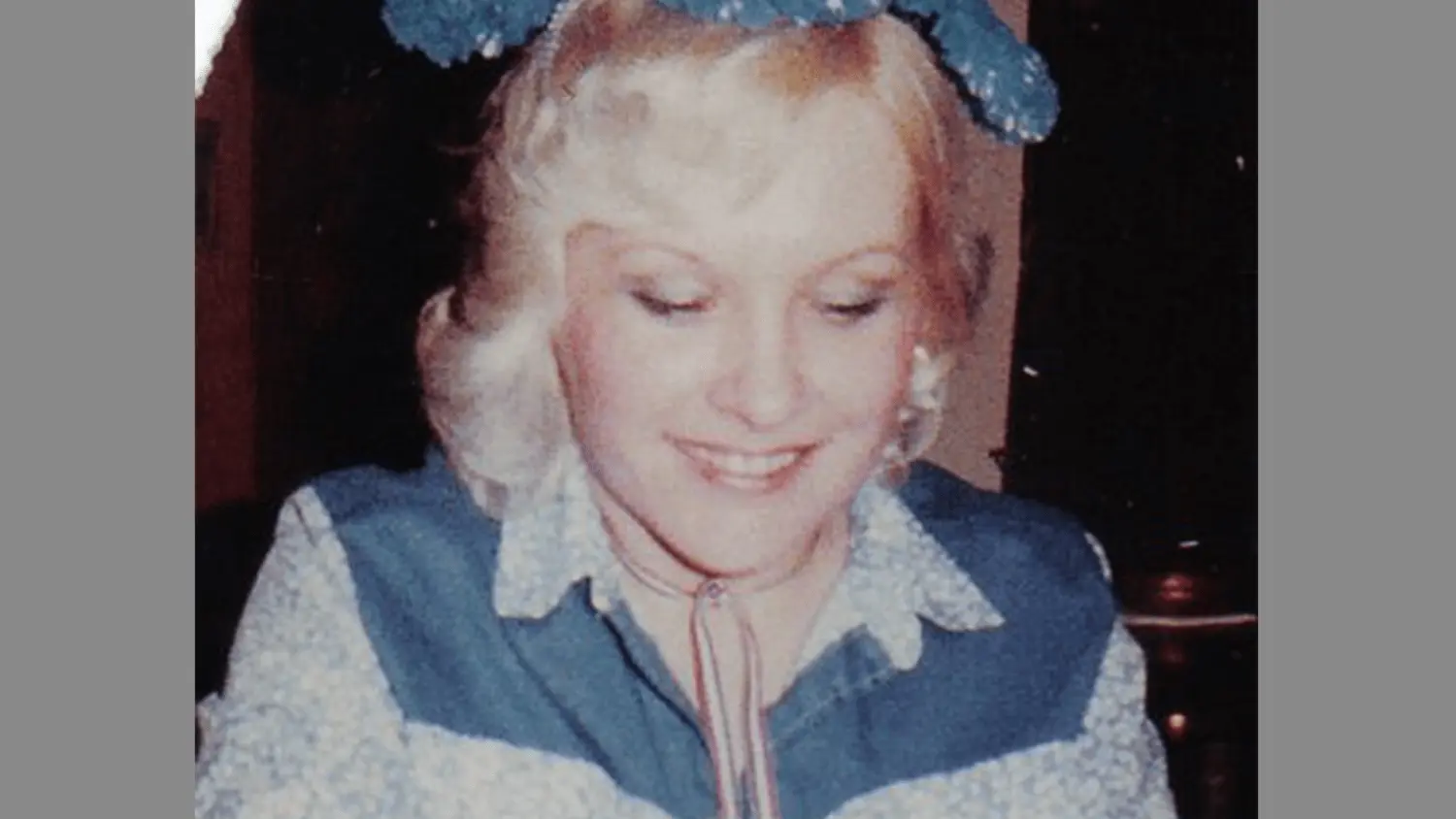
Don't Expect Me to Come Home: The Death of Nakota Kelly
Nakota Blake Kelly was ten years old, a boy his family called Fergie, when he disappeared from his father's home in Indianapolis, Indiana, on July 19, 2020, during a court ordered weekend visitation. Days before that visit even began, Nakota told his own mother, in almost those exact words, that he expected his father to kill him. She reported the warning to the state agency responsible for protecting children. Nothing changed. Nakota's visitation went forward as scheduled, and he never came home. It would take more than three years, and an eventual guilty plea, before the full truth of what happened to him became part of the public record, though even that plea has never answered the one question his mother has continued to ask ever since.
A Warning Five Days Before
On July 14, 2020, following a phone argument connected to the upcoming weekend visitation with his father, Nakota told his mother, Hayley Kelly, that he was dead, that she shouldn't expect him to come home, and that his father was going to kill him. Hayley reported this statement to Indiana's Department of Child Services, the agency tasked with investigating exactly this kind of disclosure from a child. The report did not result in any change to the scheduled visitation, and no protective intervention followed in the days leading up to that weekend.
A Familiar Pattern of Complaints
This was far from the first time Hayley had raised concerns about Nakota's safety during visits with his father, Anthony Dibiah. Between 2016 and 2018 alone, Indiana's Department of Child Services investigated at least four separate allegations of abuse and neglect connected to Nakota's weekend stays with Dibiah, allegations that included claims of double dosing the boy's ADHD medication, physically striking him, and other threatening behavior. Every one of those complaints was ultimately ruled unsubstantiated. Hayley had also repeatedly asked a Wabash Circuit Court judge to require that Dibiah's visitation with Nakota be supervised going forward, requests the court did not grant, leaving the visitation arrangement essentially unchanged despite the recurring concerns Hayley had brought forward for years.
A Weekend That Began Like Any Other
On July 19, 2020, Nakota missed the finale of his own Little League baseball season in order to attend his scheduled visitation with his father, a detail that underscores just how routine and expected this particular weekend visit was treated, despite everything Hayley had reported only days earlier. At 7:36 p.m. that evening, Nakota called his mother from his father's home, telling her that he had eaten something and was watching YouTube, an entirely ordinary check in call from a child settling into an evening at his father's house. He was scheduled to be picked up at 9:30 p.m. He never returned home.
A Phone Call to Texas
At 9:36 p.m. that same night, just minutes after Nakota's scheduled pickup time had passed, Anthony Dibiah placed a phone call to a relative living in Texas. During that call, according to what investigators later learned, Dibiah repeatedly stated that he had killed his son. The following day, surveillance footage captured multiple instances of a vehicle leaving and returning to the area around Dibiah's home, along with footage showing Dibiah discarding a bag into a dumpster, details that would become part of the evidence investigators assembled in the weeks and years that followed as they worked to determine what had actually happened to Nakota.
A Father Living Under Assumed Names
Anthony Dibiah's own background added another troubling layer to the case once investigators began examining it closely. Dibiah had been born in Nigeria under the name Ejike Ibe, and had used at least five different alias names between 2002 and 2022. In 2012, he was convicted of Social Security fraud and identity theft, offenses that resulted in a 34 month federal prison sentence. Despite this history, Dibiah was granted court ordered weekend visitation with Nakota beginning in 2016, an arrangement that continued largely unchanged through the years of DCS complaints that followed, right up until the weekend Nakota disappeared.
More Than Three Years to a Confession
The case remained unresolved for years, classified as an endangered missing persons investigation even as suspicion around Dibiah never fully lifted. It was not until September 2023, more than three years after Nakota vanished, that Dibiah entered a plea of guilty but mentally ill to murder, formally admitting to killing his son. As part of that plea, Dibiah confessed to smothering Nakota to death before dismembering his body. He told the court he had been diagnosed with schizophrenia, though prosecutors and the court determined this diagnosis did not rise to the level of legal insanity, since a plea of guilty but mentally ill in Indiana specifically reflects a determination that a defendant, despite living with a mental illness, still understood what he was doing at the time of the offense. This distinguishes it from a finding of not guilty by reason of insanity, and it meant that while Dibiah would receive mental health treatment while incarcerated, he would still serve a substantial prison sentence for the killing itself.
A Sentence, But No Location
Dibiah was formally sentenced on October 25, 2023, receiving 52 years in prison, a term that fell within the 45 to 55 year range both sides had agreed to as part of the plea arrangement, with credit given for the roughly three years he had already spent in custody since his arrest. At his sentencing, Dibiah told the judge he was sorry for what he had done. He did not, however, disclose where his son's remains could be found, a fact his own son's mother addressed directly in court. Hayley Kelly told the judge that most days it remained difficult for her simply to breathe, knowing her child was gone, and she said plainly that she did not believe Dibiah's stated remorse, telling the court that if he truly had remorse, he would tell her where her son actually was. Nakota's body has never been recovered.
A Lawsuit Aimed at the System Itself
Hayley did not limit her pursuit of accountability to Anthony Dibiah alone. She later filed a wrongful death lawsuit in Marion Superior Court naming both Dibiah and Indiana's Department of Child Services as defendants, arguing that the agency had failed to adequately act on years of complaints, and specifically on the explicit warning Nakota himself had given just days before he disappeared. Her attorney, Robert B. Turner, said publicly that more could have been done, emphasizing the particular tragedy of a child's own direct warning going unheeded by the very system meant to protect him. Speaking about her son and the years of unanswered complaints that preceded his death, Hayley said she believed that if DCS had simply listened to Nakota, they would have been able to stop what happened. She has described the years since his death as an ongoing struggle simply to get through each day, some of them so difficult that getting out of bed itself became its own daily task.
What Remains
More than five years after Nakota Blake Kelly disappeared during a routine weekend visitation his own mother had begged the courts to make supervised, and years after his father finally confirmed what had happened to him in a courtroom, Nakota's body has never been found. His case stands as a wrenching example of a child who told the adults responsible for his safety exactly what he feared, in language that left little room for misinterpretation, only to have that warning go unheeded by the systems specifically designed to act on it. His mother has continued to press for the one answer that neither a guilty plea nor a 52 year sentence has ever provided, the simple location of where her son actually is.
Sources
- The Charley Project: Nakota Blake Kelly
- WTHR: Father sentenced to 52 years for murdering his 10-year-old son in Indianapolis
- WTHR: Plea agreement reached for Indianapolis father accused of murdering his 10-year-old son
- WRTV: 'If they had just listened to Nakota', Mom sues DCS for failing to protect Nakota Kelly
- WRTV: Father sentenced to 52 years after pleading guilty, but mentally ill in death of 10-year-old son
- WRTV: Father pleading guilty but mentally ill in Nakota Kelly's death, Here's what that means in Indiana
- FOX59: Indy man is sentenced to 52 years in prison for murdering his 10-year-old son
- CBS4 Indy: Mother files wrongful death claim against DCS in son's killing
- Yahoo News: Anthony Dibiah admits he killed 10-year-old son, claims mental illness, court docs state