The Rug in the Dumpster: The Murder of Jeanine Sanchez Harms
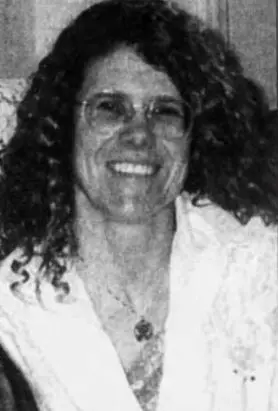
Jeanine Sanchez Harms was born in San Jose, California, the youngest of three children raised by Jesus and Georgette Sanchez in what those who knew the family described as a warm, close household. She graduated from Prospect High School in the late 1970s and went on to earn a bachelor's degree in liberal arts from San Jose State University, eventually building a career in information technology at Amdahl Corporation in Sunnyvale, where she spent more than a decade. She had been married to a man named Randy Harms, and while the marriage ended, the two separated amicably around 2000, leaving Jeanine independent and settled into her own life in Los Gatos by the summer of 2001. She was forty one or forty two years old, depending on the source, five foot five, slim, with brown hair and eyes, a small burn scar on her right inner thigh, and pierced ears. Friends and family described her as dependable in a way that made her eventual disappearance immediately alarming rather than simply confusing.
A Night Out in Campbell
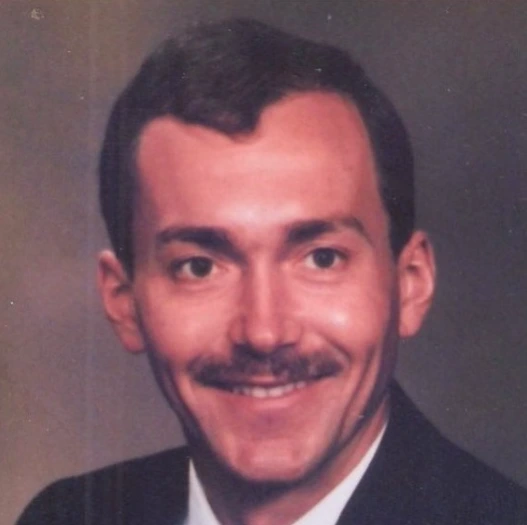
On the evening of July 27, 2001, Jeanine went to the Rock Bottom Brewery in nearby Campbell, California, where she had plans to meet a date, a man named Alex Wilson, along with a group of friends that included a man named Maurice Nasmeh. At some point that night, the group moved between bars, and by the end of the evening Jeanine invited Nasmeh back to her home on Chirco Drive in Los Gatos. According to the account Nasmeh later gave investigators, he left her residence sometime between approximately 12:30 and 1:00 in the morning, describing her as drowsy and settled on her sofa when he departed. A neighbor would later report hearing a loud, percussive sound sometime after midnight and seeing a bald man with a mustache leaving the property, a description that lined up with Nasmeh.
That night at her home was the last confirmed time anyone saw Jeanine Harms alive. On July 30, three days later, worried family members asked police to conduct a welfare check at her house. Officers found her car still parked outside, but there was no sign of Jeanine herself. Her cell phone, a Nokia, her black purse, and her keys were all missing, along with two items that would later become central to the entire investigation: a five foot by seven foot Persian style area rug and the slipcover and cushions from her sofa. There was no obvious sign of a struggle inside the home, but given how reliable and consistent Jeanine had always been in her family's experience, her sudden and total absence read immediately as something far more serious than a woman who had simply decided to disappear on her own terms.
Years of Waiting
For years, the case sat in a frustrating limbo. Investigators suspected foul play from early on, and their attention centered on Maurice Nasmeh, the last person known to have been with Jeanine before she vanished. But suspicion alone could not build a prosecutable case, and without her body or any direct physical evidence connecting him to a crime, the investigation stalled.
The break came in December 2004, more than three years after Jeanine disappeared, when a woman came forward after finding a rolled up Persian rug discarded in a dumpster at a construction site roughly half a mile from Nasmeh's home. When investigators examined it, they matched it to the rug missing from Jeanine's apartment. Santa Clara County's crime lab went further, identifying fibers from that rug, along with fibers from a second latch hook rug, inside the cargo area of Nasmeh's 2000 Jeep Grand Cherokee. In total, technicians at an outside laboratory called Microtrace found twenty seven fibers connecting the rugs to his vehicle, a number that District Attorney Jeff Rosen would later describe bluntly, saying there was no innocent explanation for those twenty seven fibers being in the back of Maurice Nasmeh's Jeep Cherokee.
Nasmeh was arrested in December 2004 and charged with murder, accused of killing Jeanine and disposing of her remains using the missing rug and sofa materials as part of the process. He spent more than two years in jail awaiting trial. Then, in 2007, prosecutors made the decision to dismiss the case, not because the evidence had failed, but because the proficiency of a key criminalist involved in the original testing had come into question, and the district attorney's office wanted additional forensic testing performed before proceeding. That additional testing could not be completed within California's speedy trial window, and with Nasmeh in custody and the clock running, the case was dropped and he was released.
Two Deaths in a Parking Lot
For the family that had already spent more than five years without answers, watching the case collapse on a technicality while Nasmeh walked free was its own kind of devastation. The investigation into what actually happened to Jeanine did not stop, even after his release, as investigators pursued the additional forensic analysis prosecutors had wanted. That work continued quietly for years, without an arrest, without a trial, and without any public resolution.
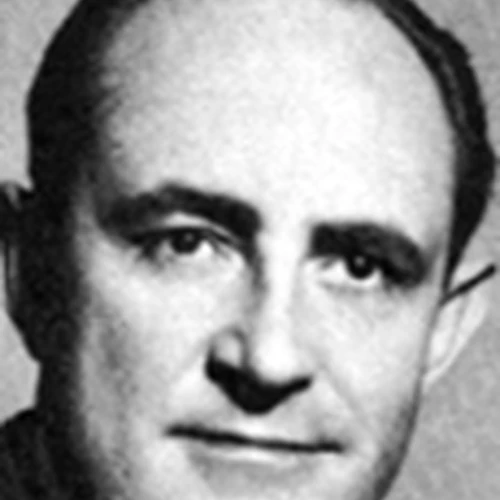
Then, in January 2011, nearly a decade after Jeanine disappeared, everything changed in the span of a single day. Jeanine's brother, fifty two year old Wayne Sanchez, encountered Maurice Nasmeh at a Red Robin restaurant in San Jose. According to accounts of what followed, Sanchez confronted Nasmeh there, accusing him directly of murdering his sister. The two men parted ways, but Sanchez returned, and at a nearby Peet's Coffee, he opened fire on Nasmeh in the parking lot, killing him. Sanchez then turned the gun on himself, dying from what was determined to be a self inflicted gunshot wound. A decade of grief, suspicion, and a case that had been dismissed on a legal technicality ended not in a courtroom but in a coffee shop parking lot, with both men dead.
Confirmation Without a Body
The forensic testing that had been underway before the shooting did not stop simply because its central suspect was now dead. In August 2011, seven months after the murder suicide, Santa Clara County prosecutors held a news conference and announced that the completed analysis confirmed their theory all along: Maurice Nasmeh had killed Jeanine Sanchez Harms. District Attorney Jeff Rosen laid out the scope of the investigation that had led to that conclusion, noting that it had involved more than 235 interviews, twelve search warrants, and roughly 2,300 hours of laboratory work spread across multiple forensic disciplines. Rosen also acknowledged the human cost of how long the process had taken, expressing regret that the case had not been resolved through the courts while Nasmeh was still alive to face trial, and noting that the necessary testing simply could not have been finished within the legal window that governed his original prosecution.
With that announcement, Santa Clara County investigators considered the case closed in the sense that mattered most to them: they knew, as much as forensic science could tell them, who had killed Jeanine Harms. What they could not offer her family was the one thing that might have brought some measure of peace alongside the answer, because Jeanine's body has never been found. More than two decades after she went missing from her home on Chirco Drive, the location of her remains is still unknown, and the exact circumstances of what happened inside that house after Nasmeh claims to have left have never been fully reconstructed. Her friends, reflecting afterward on everything the case had cost, described a decade of suffering that ultimately claimed not one life but three: Jeanine's, and then, a decade later, both her brother's and the man he believed had killed her.
Anyone with information about the location of Jeanine Sanchez Harms's remains is asked to contact the Santa Clara County District Attorney's Office or local law enforcement.
Sources
- The Charley Project: Jeanine Sanchez Harms
- Moviedelic: Jeanine Harms Murder: What Happened to Maurice Nasmeh?
- Los Gatos Patch: Analysis: In Naming Maurice Nasmeh as Jeanine Harms' Killer, DA Admits Frustrations, Concerns
- NBC Bay Area: Jeanine Harms Case "Closed"
- CBS News San Francisco: South Bay Cold Case Murder Solved After 10 Years
- ABC7 San Francisco: San Jose murder-suicide linked to high-profile missing person's case